Easy Chimichurri Sauce Recipe – Fresh & Flavorful
Chimichurri sauce is more than just a condiment; it’s a vibrant explosion of herbaceous freshness that can transform any meal from ordinary to extraordinary. Have you ever tasted something so bright and zesty that it instantly awakens your palate? That’s the magic of a well-made chimichurri sauce. Origin extractating from Argentina and Uruguay, this simple yet sophisticated sauce has captured hearts (and taste buds!) worldwide. Its beauty lies in its uncomplicated ingredients – fresh parsley, cilantro, garlic, oregano, vinegar, and olive oil – blended together to create a flavour profile that’s both pungent and invigorating. It’s the perfect accompaniment to grilled meats, fish, vegetables, and even as a dip for crusty bread. I’m so excited to share my foolproof method for creating this iconic Argentinian condiment, a true celebration of fresh, bold flavours.
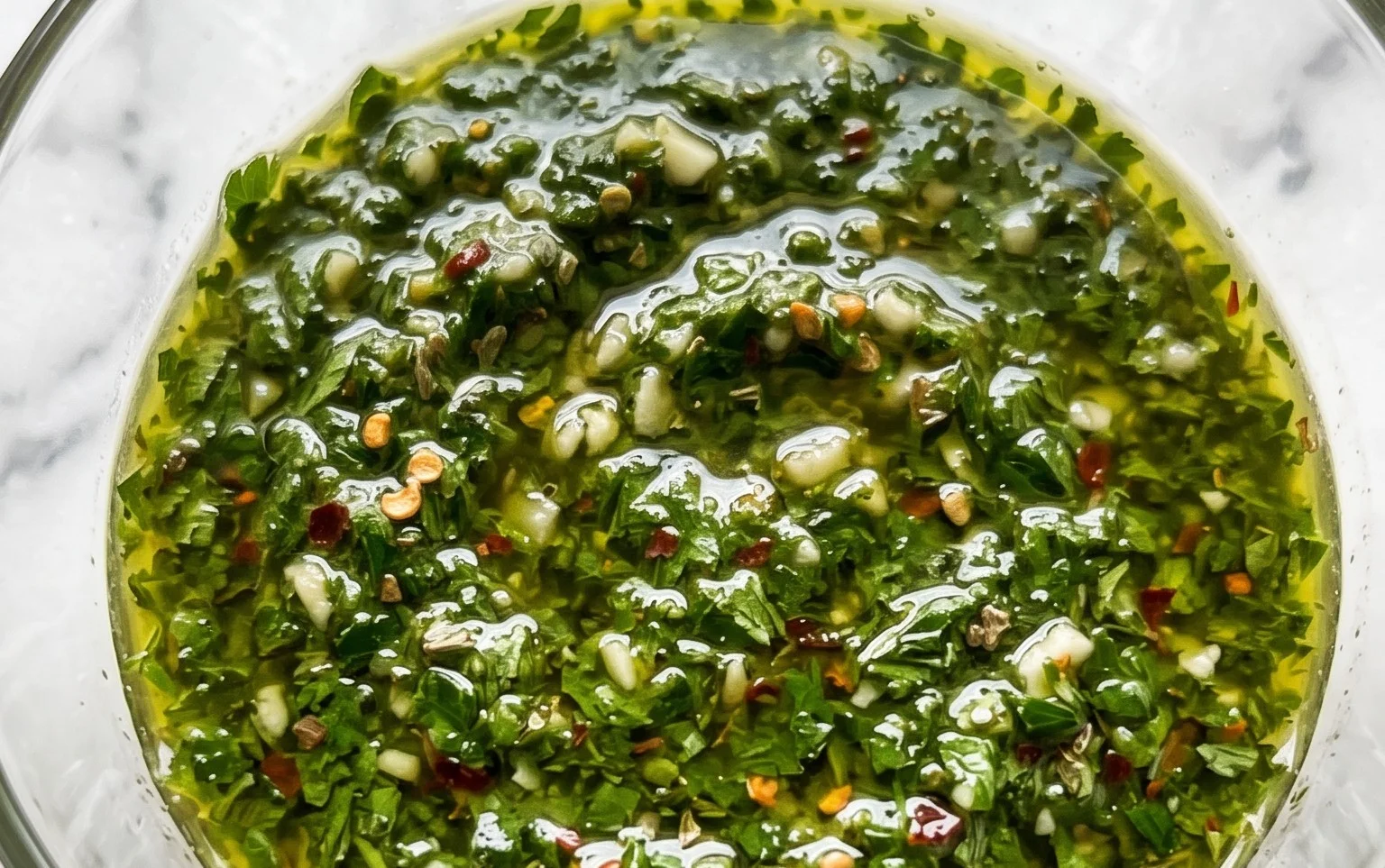
Chimichurri Sauce: The Vibrant Herbaceous Drizzle Your Meals Have Been Missing
If you’re looking to elevate your grilled meats, roasted vegetables, or even just a simple piece of toast, then you absolutely need to master the art of making chimichurri sauce. This bright, herbaceous, and slightly tangy Argentinian condiment is incredibly versatile and surprisingly easy to whip up. Forget store-bought; this homemade version is a game-changer, bursting with fresh flavors that will transform any dish into something extraordinary.
Chimichurri is more than just a sauce; it’s a celebration of fresh herbs. Its vibrant green hue is a testament to the abundance of parsley and cilantro, perfectly balanced by the pungent kick of garlic and onion, and a bright acidity from vinegar and lemon. It’s the perfect counterpoint to rich, grilled flavors, cutting through fattiness and adding a refreshing zing.
Ingredients:
Let’s talk about some of these ingredients. For the parsley and cilantro, make sure you’re packing them down tightly into your measuring cup. This ensures you get a good amount of herbaceous goodness without too much stem. If you’re using dried oregano, remember that it’s more potent than fresh, so a teaspoon is usually plenty. For the onion, a small red onion offers a nice subtle sweetness and color, but a shallot works beautifully too if you prefer a milder allium flavor. And the red pepper flakes? They’re entirely optional, but I find they add a delightful little warmth that complements the other flavors. Adjust them to your liking!
Crafting Your Chimichurri
Now, let’s get to the fun part: making the sauce! There are a couple of ways to approach this, depending on your desired texture.
The Classic Chopped Method
This method yields a more rustic, textured chimichurri, perfect for those who enjoy a bit of chegrape juicess in their sauce.
1. Prepare Your Herbs and Aromatics: Begin extract by finely chopping your fresh parsley and cilantro. The finer the chop, the more evenly the flavors will distribute. Next, mince the red onion (or shallot) and the garlic cloves very finely. You want these to be almost paste-like so they blend seamlessly into the sauce without large, overpowering chunks. If you’re using fresh oregano, give those leaves a good chop as well.
2. Combine Dry Ingredients and Aromatics: In a medium-sized bowl, combine the finely chopped parsley, cilantro, oregano (if using fresh), minced red onion, and minced garlic. Add the salt and the optional red pepper flakes to this mixture. Stir everything together gently to ensure the salt and pepper flakes are evenly distributed amongst the herbs and aromatics. This initial mix starts to meld the core flavors before the liquids are introduced.
3. Incorporate the Acids: Now it’s time to add the liquids that will bring your chimichurri to life. Pour in the red grape juice vinegar and the fresh lemon juice. Stir well to coat all the chopped ingredients. You’ll notice the herbs will start to soften and release their fragrant oils as they mingle with the acidity. Let this mixture sit for about 5 to 10 minutes. This allows the vinegar and lemon juice to begin extract “cooking” the raw garlic and onion slightly, mellowing their sharpness and allowing their flavors to infuse more deeply.
4. Emulsify with Olive Oil: Gently stream in the olive oil while stirring continuously. You’re looking for an emulsified sauce, meaning the oil and the acidic liquid will bind together, creating a cohesive and rich condiment. Don’t rush this step; a slow, steady stream of oil while whisking or stirring will create the best texture. Taste the chimichurri at this stage and adjust the salt if needed. Remember, the salt will enhance all the other flavors. If it tastes a little too sharp, you can add a tiny bit more olive oil. If it’s not bright enough, a squeeze more lemon juice can work wonders.
The Speedy Food Processor Method
If you’re short on time or prefer a smoother, more uniform chimichurri, a food processor is your best friend.
1. Rough Chop and Process: Add your fresh parsley, cilantro, oregano (if using fresh), red onion, and garlic cloves to the bowl of a food processor. Pulse a few times until everything is roughly chopped.
2. Add Liquids and Process to Desired Consistency: With the food processor running on low, slowly drizzle in the red grape juice vinegar and fresh lemon juice. Continue processing until you reach your desired consistency. Some people like it quite chunky, while others prefer it smoother. Then, while the processor is still running, slowly stream in the olive oil. Continue processing until the sauce is well emulsified and the desired texture is achieved. Scrape down the sides of the bowl as needed.
3. Season and Adjust: Transfer the chimichurri to a bowl. Stir in the salt and the optional red pepper flakes. Taste and adjust seasonings as needed. This is your chance to add more salt, a touch more vinegar for tang, or even a little more olive oil if it feels too thick.
Serving Your Masterpiece
Once your chimichurri is made, it’s ready to be enjoyed! While it’s best fresh, it can be stored in an airtight container in the refrigerator for up to a week. The flavors will actually deepen and meld even further over time.
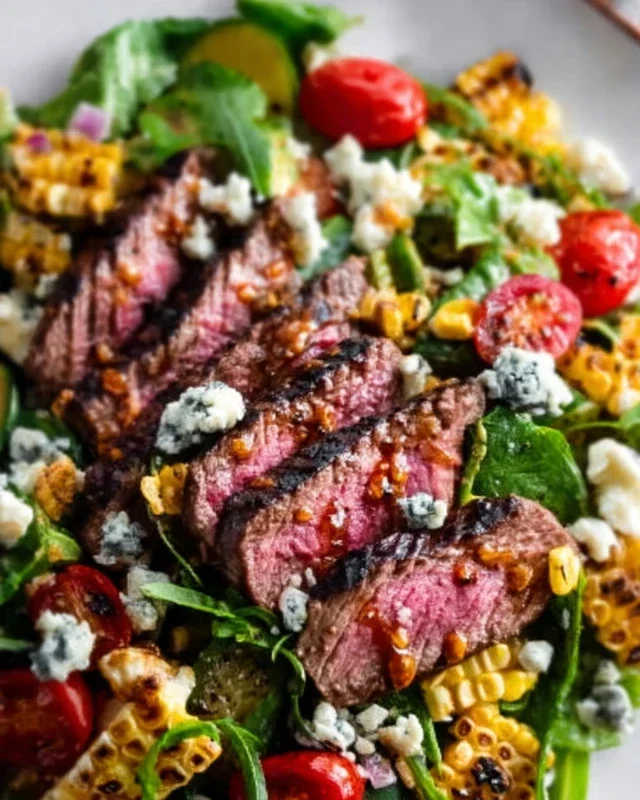
This vibrant sauce is a perfect accompaniment to grilled steak, chicken, beef, or fish. It’s also fantastic drizzled over roasted vegetables like potatoes, bell peppers, or asparagus. Don’t be afraid to experiment – a spoonful of chimichurri can liven up a sandwich, add zing to scrambled eggs, or even be stirred into a potato salad. Enjoy this little jar of sunshine!
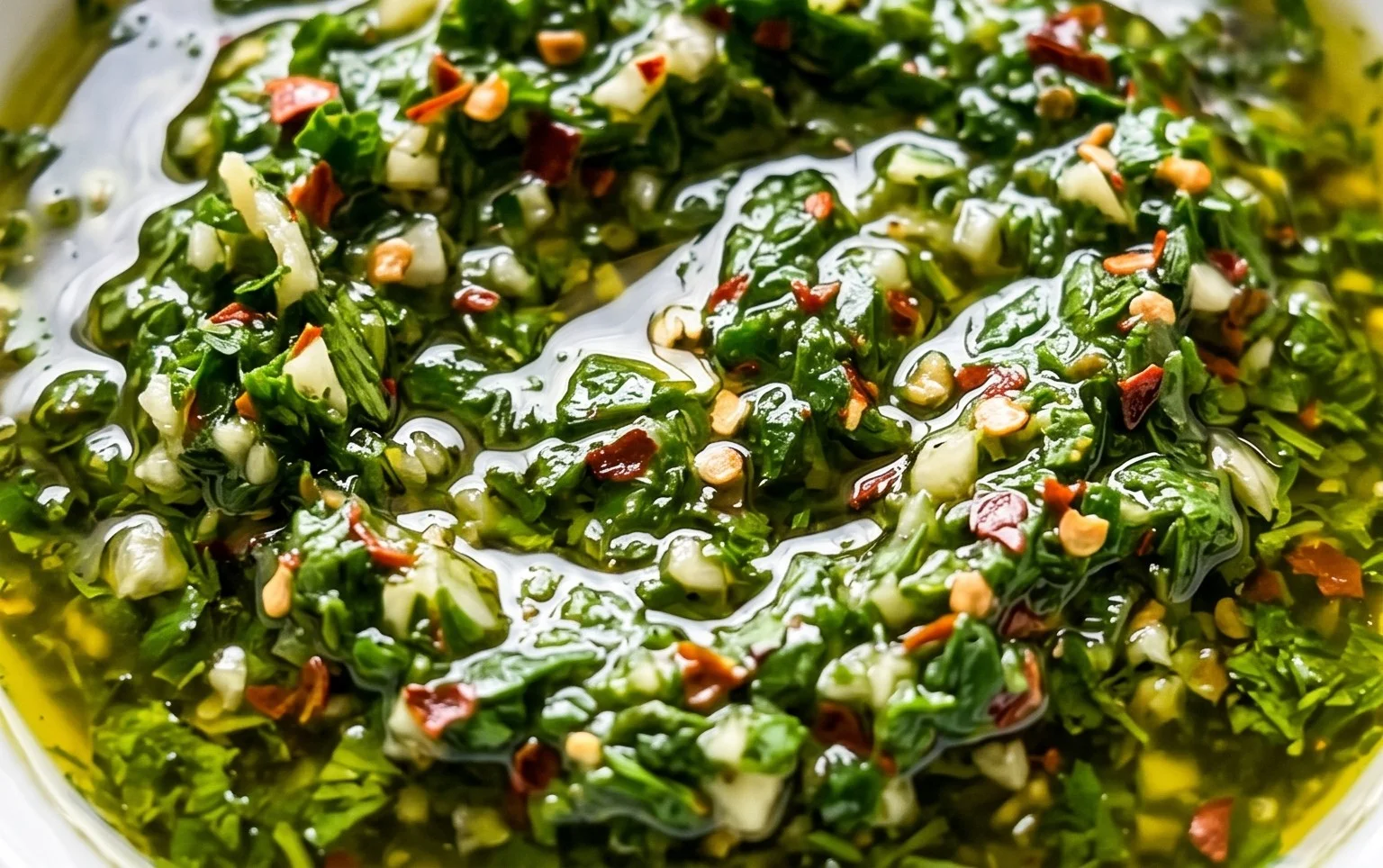
Conclusion:
So there you have it! This chimichurri sauce recipe is truly a game-changer for your culinary repertoire. Its vibrant, herbaceous flavor profile, driven by fresh parsley and cilantro, balanced with the tang of vinegar and a subtle kick of chili, makes it incredibly versatile. It’s not just a sauce; it’s an instant upgrade for grilled meats, roasted vegetables, and even simple breakfasts. I highly encourage you to give this recipe a try – it’s remarkably easy to make and the results are so rewarding. Don’t be afraid to experiment with your own favorite herbs or spice levels!
Beyond its classic pairing with steak, this chimichurri sauce is fantastic drizzled over grilled chicken, fish, or beef. It also adds a delightful brightness to roasted potatoes, asparagus, or even a simple caprese salad. For a bolder twist, consider adding a touch of smoked paprika or a different type of chili pepper for a unique flavor experience. The possibilities are truly endless, and I’m confident you’ll find yourself reaching for this recipe again and again.
Frequently Asked Questions:
Can I make this chimichurri sauce ahead of time?
Absolutely! Chimichurri sauce actually tastes even better the next day as the flavors meld together. You can store it in an airtight container in the refrigerator for up to a week.
What if I don’t have fresh parsley or cilantro?
While fresh herbs are ideal for the best flavor, you can use dried herbs in a pinch, though you’ll need less. Start with about 1/3 of the amount of dried herbs compared to fresh. Be aware that the flavor intensity will be different.
How spicy is this chimichurri sauce?
The spiciness can vary depending on the type and amount of chili flakes you use. For a milder sauce, reduce the chili flakes or omit them altogether. For more heat, add a pinch more or a finely minced fresh chili pepper.
Chimichurri Sauce
A vibrant and herbaceous Argentinian sauce perfect for grilled meats, vegetables, and more. This recipe uses a grape juice vinegar substitution for a non-alcoholic option.
Ingredients
-
1 1/2 cups well packed (42g) fresh parsley
-
1/2 cup well packed (20g) fresh cilantro
-
1/4 cup (9g) fresh oregano
-
1/4 small red onion
-
3 garlic cloves
-
3 Tbsp red grape juice vinegar
-
2 Tbsp fresh lemon juice
-
1/2 tsp salt
-
1/4 tsp red pepper flakes
-
3/4 cup olive oil
Instructions
-
Step 1
Finely chop the fresh parsley, cilantro, and oregano. If using fresh oregano, ensure it is finely minced. If using dried, you can add it with the salt and pepper flakes. -
Step 2
Finely chop the red onion (or shallot) and mince the garlic cloves. -
Step 3
In a medium bowl, combine the chopped herbs, chopped onion, and minced garlic. -
Step 4
Add the red grape juice vinegar, fresh lemon juice, salt, and red pepper flakes (if using). Stir to combine. -
Step 5
Slowly drizzle in the olive oil while whisking continuously until the sauce is emulsified and well combined. Taste and adjust salt or red pepper flakes as needed. -
Step 6
For best flavor, let the chimichurri sauce sit for at least 15 minutes at room temperature before serving to allow the flavors to meld.
Important Information
Nutrition Facts (Per Serving)
It is important to consider this information as approximate and not to use it as definitive health advice.
Allergy Information
Please check ingredients for potential allergens and consult a health professional if in doubt.