Delicious Pav Bhaji Recipe – Easy Indian Street Food
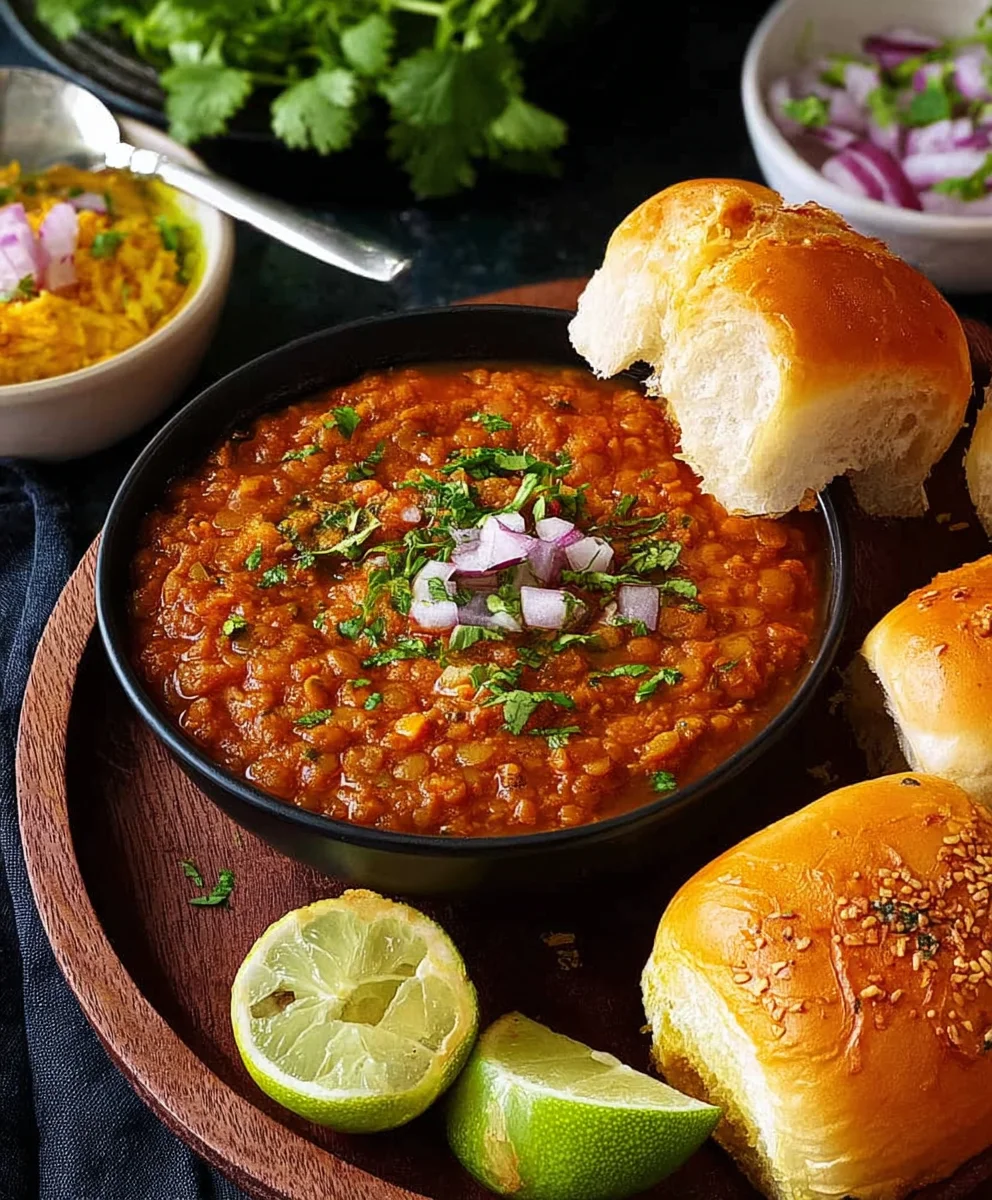
Pav Bhaji is more than just a dish; it’s an explosion of vibrant flavors and a beloved street food icon that has captured hearts across India and beyond. Imagin extracte this: a symphony of mashed vegetables, simmered in a fragrant blend of spices, all served alongside warm, buttery toasted bread rolls. It’s no wonder this culinary creation is an absolute crowd-pleaser. The magic of Pav Bhaji lies in its incredible ability to be both comforting and invigorating. The subtle heat from the spices dances on your tongue, while the richness of the mashed vegetables provides a satisfying depth. What truly sets this dish apart is its unique texture combination – the soft, melt-in-your-mouth bhaji contrasted with the slightly crisp, chewy pav. Whether you’re seeking a quick, flavorful lunch or a hearty snack, this recipe for authentic Pav Bhaji promises to deliver an unforgettable taste experience.
Ingredients:
- 7 cloves Garlic (Big, approximately 30 grams), finely minced
- 2 tbsp Red Kashmiri chili powder (crucial for color and mild heat, do not substitute)
- 2 cups (around 250 grams) Potatoes, peeled and cut into roughly 1-inch cubes
- 1 cup (around 120 grams) Cauliflower florets, cut into bite-sized pieces
- 2 cups Finely chopped Tomatoes
- 1 cup Finely chopped Onion
- 1 cup Finely chopped Capsicum / Bell Pepper
- 1/4 cup Dried green peas (or 1/2 cup fresh or frozen green peas)
- Salt to taste
- 1/2 tsp Turmeric powder
- 1 tbsp + 1/2 tsp Pav bhaji masala (ensure it’s a good quality blend)
- 1/4 cup Finely chopped cilantro
- 2 tbsp Butter (salted butter works well here)
- 1 tbsp Oil
- 1 tsp Kasuri methi (dried fenugreek leaves)
Cooking the Vegetables
Boiling the Vegetables
The first step to achieving a wonderfully smooth and flavorful bhaji is to properly cook your vegetables. In a large pot or Dutch oven, combine the cubed potatoes, cauliflower florets, and green peas. Add enough water to generously cover the vegetables by at least an inch. This ensures even cooking. Bring the water to a rolling boil over medium-high heat. Once boiling, reduce the heat to medium-low, cover the pot, and let the vegetables simmer until they are fork-tender. This typically takes about 15-20 minutes for potatoes and cauliflower, and less for peas. You should be able to easily pierce a potato cube with a fork without resistance. Once cooked, carefully drain all the water from the pot, reserving about half a cup of the starchy cooking water just in case you need it later to adjust the consistency of your bhaji. Set the cooked vegetables aside.
Preparing the Masala Base
Now, let’s build the flavorful foundation of our bhaji. Heat the oil and 1 tablespoon of butter in a large, heavy-bottomed pan or the same pot you used for boiling over medium heat. Once the butter has melted and the oil is shimmering, add the finely chopped onions. Sauté the onions, stirring frequently, until they become translucent and start to soften, which should take about 5-7 minutes. It’s important not to rush this step as softened onions lend a lovely sweetness to the bhaji. Next, add the finely minced garlic and chopped capsicum (bell pepper) to the pan. Continue to cook, stirring regularly, for another 5-7 minutes, until the capsicum is tender and the raw smell of garlic has disappeared.
Incorporating Spices and Tomatoes
This is where the magic really starts to happen! Add the turmeric powder and the Kashmiri red chili powder to the sautéed onion, garlic, and capsicum mixture. Stir well and cook for about 30 seconds to a minute, allowing the spices to bloom and release their aromas. Be careful not to burn the spices, as this can make them bitter. Immediately add the finely chopped tomatoes to the pan. Stir everything together and cook until the tomatoes have softened and broken down, releasing their juices and forming a thick, mashed consistency. This process usually takes about 8-10 minutes. You’ll notice the mixture becoming rich and vibrant in color.
Mashing and Simmering the Bhaji
Once the tomatoes have broken down, add the cooked and drained vegetables back into the pan with the masala base. Now comes the satisfying part – mashing! Using a potato masher or the back of a sturdy ladle, gently mash the vegetables into the masala. Aim for a rustic, slightly chunky consistency rather than a perfectly smooth puree; this is characteristic of a good bhaji. Don’t over-mash; you want some texture. Add the remaining 1/2 teaspoon of Pav bhaji masala, salt to taste, and about half of the finely chopped cilantro. Stir everything together thoroughly to ensure the spices and vegetables are well combined. If the mixture seems too thick, you can add a splash of the reserved starchy vegetable water, a tablespoon at a time, until you reach your desired consistency. Bring the bhaji to a gentle simmer, cover the pan, and let it cook on low heat for at least 10-15 minutes. This simmering period allows all the flavors to meld beautifully.
Finishing Touches and Serving
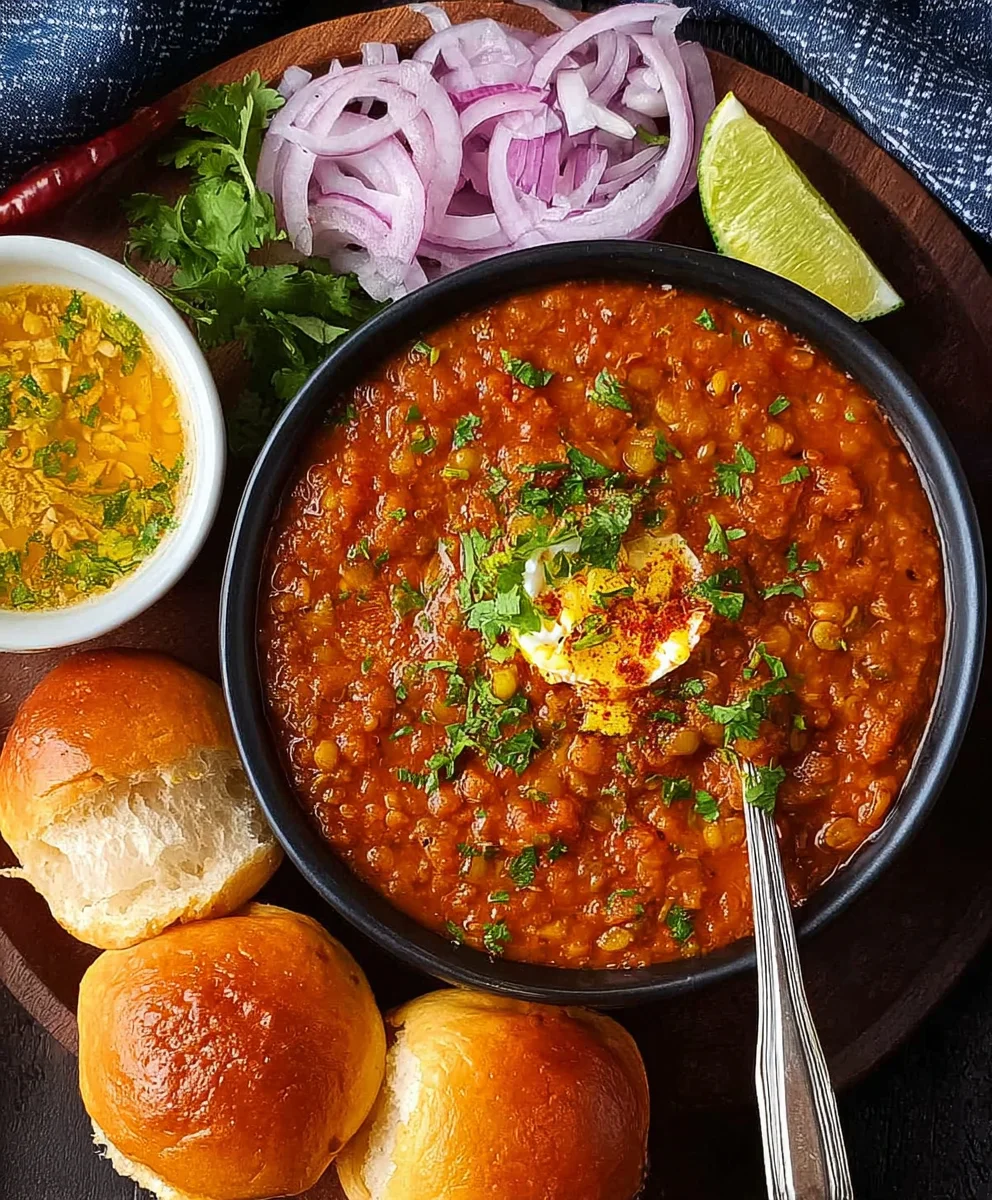
Before you serve, stir in the remaining 1 tablespoon of butter and the kasuri methi. Crush the kasuri methi between your palms as you add it; this releases its potent aroma and flavor. Stir well until the butter has melted and is fully incorporated into the bhaji. Taste and adjust seasoning if necessary, adding more salt or Pav bhaji masala if desired. Garnish generously with the remaining finely chopped cilantro. For the ultimate Pav bhaji experience, serve hot, with soft, butter-toasted pav (bread rolls) on the side. You can also offer accompaniments like chopped raw onions, a wedge of lemon, and a dollop of extra butter on top of the bhaji. Enjoy this delightful Indian street food favorite!
Conclusion:
There you have it – a delicious and vibrant plate of Pav Bhaji, ready to be devoured! This recipe aims to bring the authentic flavors of Mumbai street food right into your kitchen. The rich, spiced vegetable mash paired with the buttery, soft pav is truly a culinary delight. I hope you enjoy making and sharing this wonderful dish as much as I do. Don’t be afraid to get a little messy – that’s part of the fun!
For serving suggestions, I always recommend garnishing generously with fresh cilantro, a squeeze of lime juice, and a dollop of butter. A side of finely chopped onions and a wedge of lemon are essential accompaniments that elevate the experience.
Feel free to experiment with the spice level to suit your palate. You can also add other vegetables like peas, carrots, or even cauliflower to the bhaji for extra nutrition and flavor. Don’t be intimidated by the ingredient list; each component plays a crucial role in building those incredible layers of taste. So go ahead, gather your ingredients, and create your own sensational Pav Bhaji!
Frequently Asked Questions:
What can I serve with Pav Bhaji if I don’t have pav?
If you’re unable to find pav or want an alternative, soft dinner rolls, burger buns, or even thick slices of toasted bread can work as a substitute. Just ensure they are soft enough to soak up the delicious bhaji.
Can I make Pav Bhaji ahead of time?
Yes, you can definitely make the bhaji ahead of time. The flavors often meld and deepen overnight, making it even tastier the next day. Reheat it gently on the stovetop and toast your pav just before serving.
Delicious Pav Bhaji Recipe – Easy Indian Street Food
An easy and authentic recipe for delicious Indian street food, Pav Bhaji, featuring a flavorful mashed vegetable curry served with butter-toasted pav.
Ingredients
-
7 cloves Garlic (Big, approximately 30 grams), finely minced
-
2 tbsp Red Kashmiri chili powder
-
2 cups (around 250 grams) Potatoes, peeled and cut into roughly 1-inch cubes
-
1 cup (around 120 grams) Cauliflower florets, cut into bite-sized pieces
-
2 cups Finely chopped Tomatoes
-
1 cup Finely chopped Onion
-
1 cup Finely chopped Capsicum / Bell Pepper
-
1/4 cup Dried green peas
-
Salt to taste
-
1/2 tsp Turmeric powder
-
1 tbsp + 1/2 tsp Pav bhaji masala
-
1/4 cup Finely chopped cilantro
-
2 tbsp Butter
-
1 tbsp Oil
-
1 tsp Kasuri methi (dried fenugreek leaves)
Instructions
-
Step 1
Boil the vegetables: Combine potatoes, cauliflower florets, and green peas in a large pot with enough water to cover by an inch. Bring to a boil, then reduce heat, cover, and simmer for 15-20 minutes until fork-tender. Drain, reserving about half a cup of cooking water. -
Step 2
Prepare the masala base: Heat oil and 1 tbsp butter in a heavy-bottomed pan over medium heat. Sauté onions until translucent (5-7 minutes). Add minced garlic and chopped capsicum, cook for another 5-7 minutes until tender. -
Step 3
Incorporate spices and tomatoes: Add turmeric powder and Kashmiri red chili powder, cook for 30-60 seconds until fragrant. Immediately add chopped tomatoes and cook until softened and mashed, about 8-10 minutes, forming a thick consistency. -
Step 4
Mash and simmer the bhaji: Add the cooked vegetables back to the pan. Mash gently with a potato masher to a rustic consistency. Stir in the remaining Pav bhaji masala, salt, and half of the cilantro. Add reserved cooking water if needed to adjust consistency. Simmer on low heat, covered, for at least 10-15 minutes. -
Step 5
Finishing touches: Stir in the remaining 1 tbsp butter and crushed kasuri methi. Taste and adjust seasoning. Garnish with the remaining cilantro. Serve hot with butter-toasted pav, chopped raw onions, and lemon wedges.
Important Information
Nutrition Facts (Per Serving)
It is important to consider this information as approximate and not to use it as definitive health advice.
Allergy Information
Please check ingredients for potential allergens and consult a health professional if in doubt.