Chewy Coconut Cookies-Delicious Easy Recipe
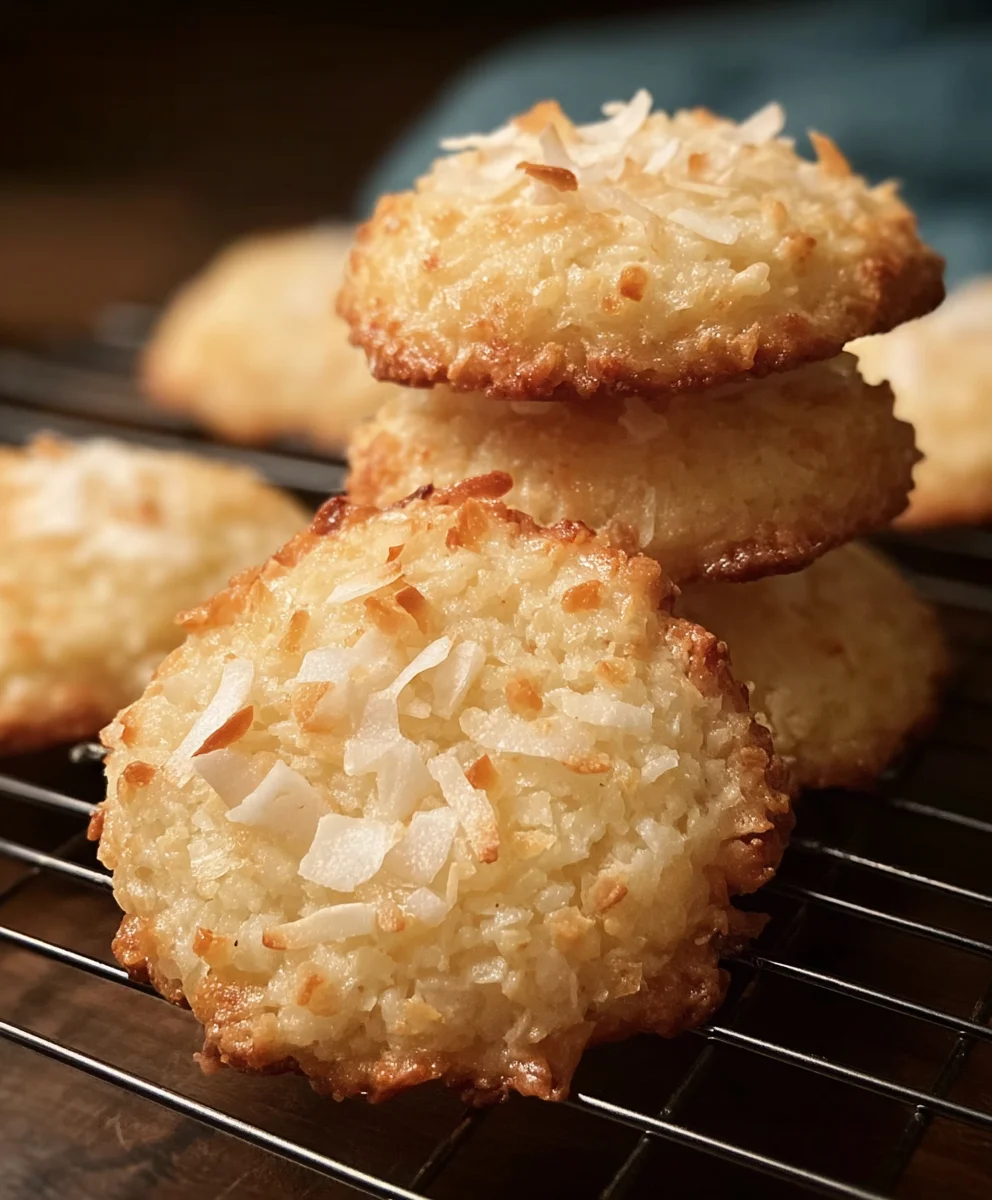
Chewy Coconut Cookies are more than just a sweet treat; they’re a delightful journey to tropical paradise with every bite. Imagin extracte the satisfying texture – a perfect balance between tender and delightfully firm, yielding to a soft, melt-in-your-mouth center. This irresistible chegrape juicess is what sets these cookies apart, making them a perennial favorite for anyone craving something truly special. We adore them because they evoke feelings of comfort and warmth, reminiscent of sunny days and carefree moments. What truly makes these Chewy Coconut Cookies exceptional is the harmonious marriage of rich, buttery dough with the subtle, sweet fragrance and distinct texture of shredded coconut. It’s a classic combination that never fails to impress, offering a taste of pure bliss that’s both familiar and exciting. Get ready to bake a batch that will disappear faster than you can say “delicious!”
Ingredients:
- 1/2 cup butter, softened
- 1/2 cup packed light brown sugar
- 1/2 cup granulated sugar
- 1 large egg
- 1 teaspoon pure vanilla extract
- 1 1/2 cups shredded or flaked coconut (sweetened or unsweetened, your preference!)
- 1 cup all-purpose flour
- 1/2 teaspoon baking soda
- 1/2
- Pinch of fine sea salt
Preparing the Cookie Dough
Creaming the Butter and Sugars
The first crucial step to achieving perfectly chewy coconut cookies is to properly cream together the butter and sugars. In a large mixing bowl, add the softened butter. Softened butter means it’s pliable and yields to gentle pressure, but it shouldn’t be melted. This ensures it will incorporate air effectively. Add the packed light brown sugar and granulated sugar to the bowl with the butter. Using an electric mixer on medium speed, or a sturdy whisk and some elbow grease, beat these ingredients together for about 2 to 3 minutes. You’re looking for a light, fluffy, and pnon-alcoholic ale mixture. This creaming process is vital because it aerates the butter and sugar, which contributes to the cookie’s texture and lift. Scrape down the sides of the bowl occasionally to ensure everything is thoroughly combined.
Incorporating Wet Ingredients
Once your butter and sugar mixture is light and fluffy, it’s time to add the remaining wet ingredients. Crack the large egg into the bowl. It’s a good practice to crack eggs into a separate small bowl first to avoid any accidental shell fragments getting into your main mixture. Add the pure vanilla extract. Vanilla extract enhances all the flavors in your cookie and adds a lovely aromatic quality. Beat these ingredients into the creamed mixture on medium speed until they are just combined. Don’t overmix at this stage; we want to keep that airiness we worked so hard to create. The mixture might look slightly curdled, which is perfectly normal.
Adding the Dry Ingredients
Now, let’s bring in the dry ingredients to form our cookie dough. In a separate medium bowl, whisk together the all-purpose flour, baking soda, baking powder, and the pinch of fine sea salt. Whisking these dry ingredients together beforehand ensures that the leavening agents (baking soda and baking powder) and salt are evenly distributed throughout the flour. This prevents pockets of saltiness or uneven rising in your cookies. Gradually add this dry mixture to the wet ingredients in the large bowl. Mix on low speed or stir with a spatula until just combined. It’s important not to overmix here, as overworking the flour can develop the gluten too much, resulting in tough cookies instead of the delightfully chewy ones we’re aiming for. Stop mixing as soon as you no longer see streaks of dry flour.
Folding in the Coconut
The star of our chewy coconut cookies is, of course, the coconut! Gently fold in the shredded or flaked coconut into the cookie dough using a spatula or a wooden spoon. Be thorough but gentle. You want to ensure the coconut is evenly distributed throughout the dough without deflating the airy texture of the batter. Whether you use sweetened or unsweetened coconut is entirely up to your taste preference. Sweetened coconut will add a touch more sweetness and chegrape juicess, while unsweetened will let the other flavors shine through more prominently.
Baking the Chewy Coconut Cookies
Shaping and Chilling the Dough
To ensure consistent baking and that perfect chewy texture, it’s beneficial to chill the cookie dough. Scoop rounded tablespoons of dough onto a parchment-lined baking sheet. You can use a cookie scoop for uniformity, or two spoons. Don’t flatten the dough balls; their slightly mounded shape will help them bake up into lovely, thick cookies. For an extra layergrape juicechewiness and to prevent excessive spreading, cover the baking sheet with plastic wrap and refrigerate the dough for at least 30 minutes, or up to 2 days. Chilling allows the fats to solidify, which slows down the spreading process during baking, resulting in thicker, chewier cookies.
Baking to Golden Perfection
Preheat your oven to 350°F (175°C). Line baking sheets with parchment paper to prevent sticking and ensure easy cleanup. Arrange the chilled cookie dough balls about 2 inches apart on the prepared baking sheets, as they will spread slightly during baking. Bake for 10-12 minutes, or until the edges are lightly golden brown and the centers still look slightly soft and underbaked. This is key to achieving a chewy cookie! If you bake them until they look completely set, they will become crispier as they cool. The residual heat will continue to cook the centers after they are removed from the oven.
Cooling fgrape juiceaximum Chewiness
Once baked, let the cookies cool on the baking sheets for 5-10 minutes before transferring them to a wire rack to cool completely. This resting period on the hot baking sheet is critical for the chewy texture. It allows the cookies to set up properly without becoming hard. Resist the urge to move them too soon! Once they are firm enough to handle, carefully transfer them to a wire rack to finish cooling. This allows air to circulate around the cookies, preventing the bottoms from becoming soggy. Enjoy these delightful chewy coconut cookies warm, at room temperature, or stored in an airtight container for up to 3 days.
Conclusion:
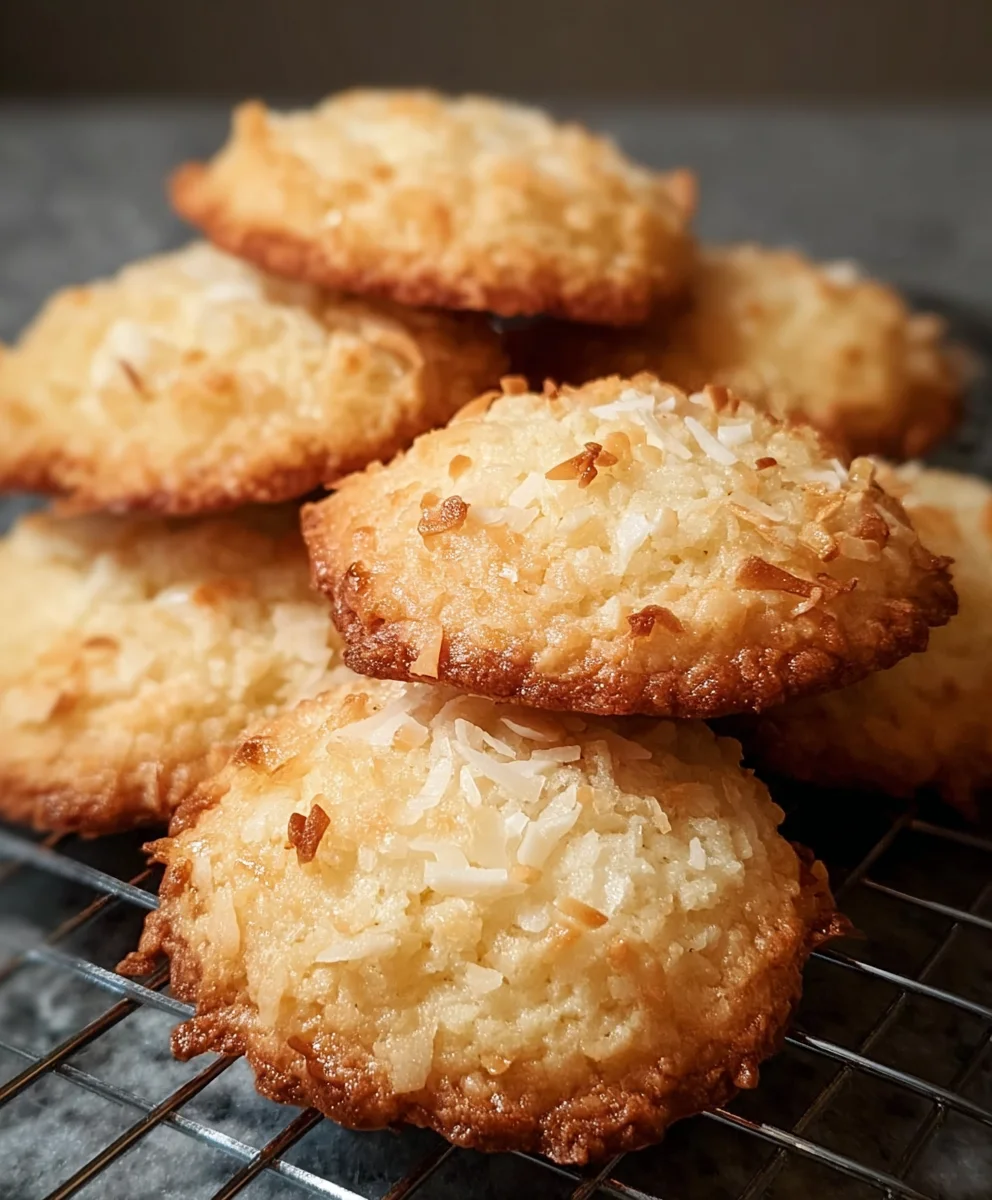
And there you have it – the ultimate guide to creating perfectly chewy Chewy Coconut Cookies! We’ve walked through each step, from ensuring the right dough consistency to achieving that delightful golden-brown edge. The satisfaction of pulling a batch of these fragrant, wonderfully textured cookies from your oven is truly unparalleled. They’re not just a treat; they’re a little bite of sunshine, perfect for any occasion.
These Chewy Coconut Cookies are fantastic on their own, of course. But don’t be afraid to get creative! Serve them with a tall glass of cold milk for a classic pairing, or perhaps with a cup of hot tea for a more sophisticated afternoon delight. They also make a wonderful addition to a dessert platter, nestled alongside fruit tarts or brownies.
Feeling adventurous? You can easily elevate your Chewy Coconut Cookies. Consider adding a handful of chocolate chips for a chocolate-coconut fusion, or a sprinkle of toasted chopped almonds for an extra layer of crunch. A drizzle of white chocolate once cooled can also add a touch of elegance. I encourage you to experiment and discover your favorite variation. Happy baking!
Frequently Asked Questions:
Why aren’t my Chewy Coconut Cookies chewy?
The key to chegrape juicess often lies in the ratio of ingredients and the baking time. Ensure you’re using enough brown sugar, which contributes moisture grape juicechewiness. Overbaking is another common culprit; aim to pull them out when the edges are set and golden, but the centers still look slightly underbaked. They will continue to cook on the baking sheet as they cool.
Can I freeze the dough for Chewy Coconut Cookies?
Absolutely! This dough freezes wonderfully. Scoop individual cookies onto a parchment-lined baking sheet and freeze until solid. Then, transfer them to a freezer-safe bag or container. When you’re ready to bake, you can place the frozen cookie dough balls directly onto a baking sheet and add a minute or two to the baking time. They’ll be just as delicious!
Chewy Coconut Cookies
Delicious and easy recipe for chewy coconut cookies.
Ingredients
-
1/2 cup butter, softened
-
1/2 cup packed light brown sugar
-
1/2 cup granulated sugar
-
1 large egg
-
1 teaspoon pure vanilla extract
-
1 1/2 cups shredded or flaked coconut
-
1 cup all-purpose flour
-
1/2 teaspoon baking soda
-
1/2 teaspoon baking powder
-
Pinch of fine sea salt
Instructions
-
Step 1
In a large mixing bowl, cream together the softened butter, packed light brown sugar, and granulated sugar until light and fluffy. -
Step 2
Beat in the large egg and pure vanilla extract until just combined. The mixture might look slightly curdled. -
Step 3
In a separate bowl, whisk together the all-purpose flour, baking soda, baking powder, and salt. Gradually add this dry mixture to the wet ingredients until just combined. Do not overmix. -
Step 4
Gently fold in the shredded or flaked coconut into the cookie dough. -
Step 5
Scoop rounded tablespoons of dough onto a parchment-lined baking sheet. Chill the dough in the refrigerator for at least 30 minutes. -
Step 6
Preheat oven to 350°F (175°C). Bake the chilled cookie dough balls for 10-12 minutes, or until the edges are lightly golden brown and the centers are still soft. -
Step 7
Let the cookies cool on the baking sheets for 5-10 minutes before transferring them to a wire rack to cool completely.
Important Information
Nutrition Facts (Per Serving)
It is important to consider this information as approximate and not to use it as definitive health advice.
Allergy Information
Please check ingredients for potential allergens and consult a health professional if in doubt.