Homemade Pâtes de Fruits Delicious No Corn Syrup
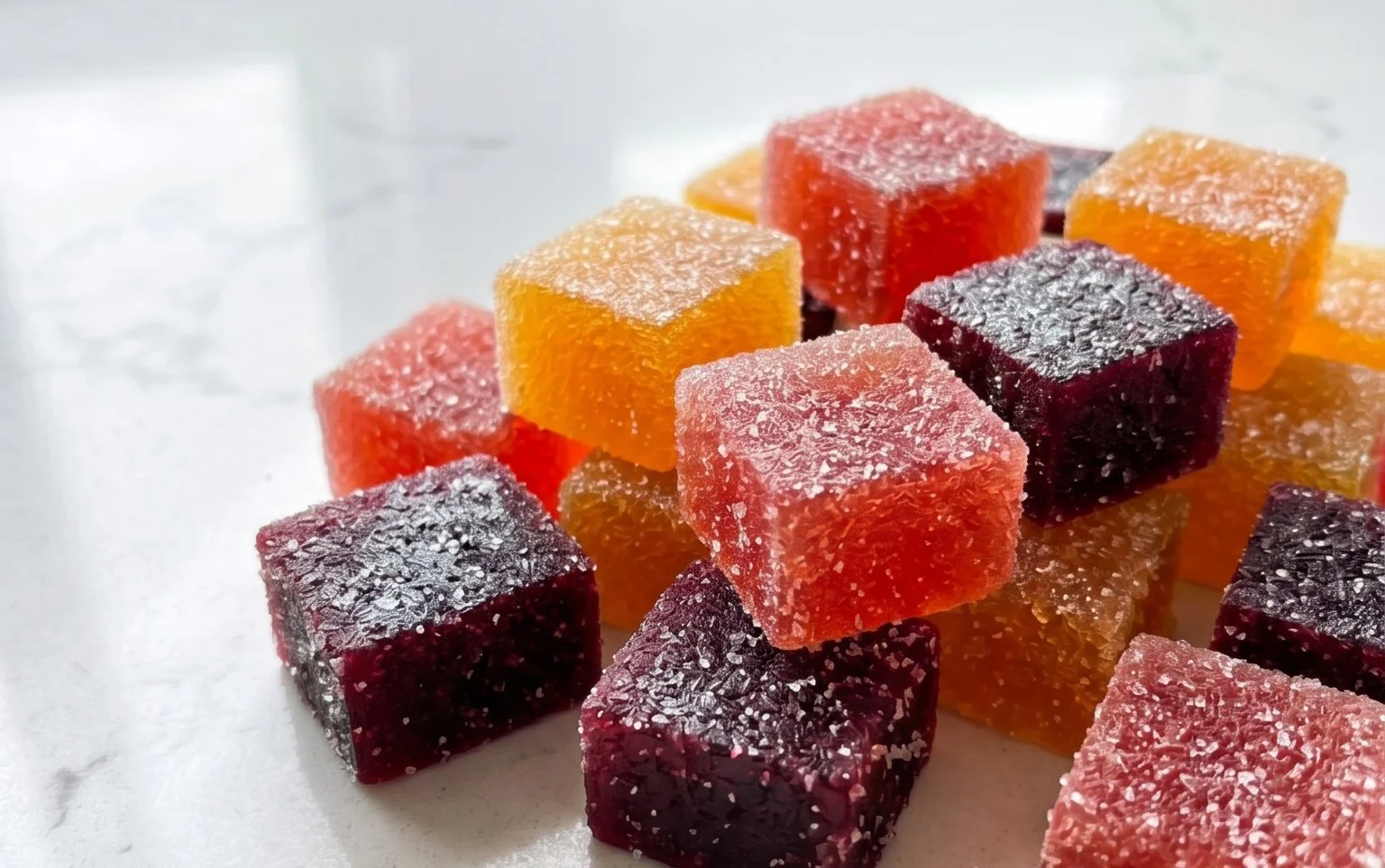
Homemade pâtes de fruits are a delightful journey into the world of intensely flavored, jewel-like confections. Forget those mass-produced versions that rely on corn syrup for texture; we’re diving into the art of crafting truly exceptional pâtes de fruits without it. There’s something incredibly satisfying about creating these vibrant fruit jellies from scratch, and the pure, unadulterated fruit flavor is a revelation. People adore them for their concentrated sweetness, their chewy yet tender bite, and their ability to capture the essence of ripe summer fruits in a concentrated burst of deliciousness. What truly sets these homemade pâtes de fruits apart is the control you have over the ingredients, allowing you to highlight your favorite fruits and achieve a texture that’s both sophisticated and utterly craveable.
Ready to create your own masterpiece?
Let’s get started!
Homemade Pâtes de Fruits (No Corn Syrup)
There’s something undeniably special about pâtes de fruits. These jewel-toned, intensely flavored fruit jellies are a sophisticated treat, often found gracing the counters of fine patisseries. The challenge for many home cooks, however, is replicating them without resorting to corn syrup, which can contribute an off-flavor and texture. Fear not! I’m here to share my foolproof method for making absolutely delicious pâtes de fruits using simple, wholesome ingredients, and the results are nothing short of spectacular. Forget the artificial taste – we’re going for pure, unadulterated fruit bliss.
The beauty of making your own pâtes de fruits lies in the control you have over the flavor and the ingredients. You can experiment with any fruit juice you love, from classic citrus to exotic berries. The key is a good quality fruit juice with a vibrant flavor, as this will be the star of your little fruit gems.
Ingredients:
*Note on Pectin: It’s important to use “classic” or “rapid-set” pectin here, not the type that requires sugar to be pre-mixed with it. This allows for better control over the sugar content and texture. You can usually find it in the canning aisle of your grocery store or at specialty baking supply shops.
Creating Your Fruit Jewels
Now, let’s get down to the delicious business of crafting these delightful treats. The process is quite straightforward, but paying attention to a few key details will ensure success.
1. Prepare Your Molds and Fruit Juice: Before you even turn on the stove, get your molds ready. A square or rectangular baking pan (about 8×8 inches) lined with parchment paper, with the paper extending up the sides, works perfectly. This will make it easy to lift out the finished jelly. If you have small silicone molds, you can use those too, but ensure they are appropriately sized for individual candies. In a medium bowl, whisk together your 2 cups of fruit juice. If you’re using a combination of juices, as we did with orange and pomegranate, ensure they are well blended. This is where the flavor foundation is laid, so choose something you truly enjoy!
2. Activate the Pectin: In a separate small bowl, combine the 3 tablespoons of classic pectin with about 1/4 cup of your fruit juice mixture. Whisk this thoroughly until the pectin is completely dissolved and there are no lumps. This step is crucial for ensuring the pectin disperses evenly throughout the jelly mixture and sets properly. If the pectin isn’t dissolved, you might end up with pockets of un-gelled fruit juice or a grainy texture. Let this pectin slurry sit for a minute or two to fully hydrate.
3. Combine and Cook the Base: Pour the remaining fruit juice into a medium, heavy-bottomed saucepan. Add the 1 cup of granulated sugar and the pectin slurry you prepared in the previous step. Place the saucepan over medium-high heat, stirring constantly. You want to bring the mixture to a rolling boil – that’s a boil that cannot be stirred down. Once it reaches this stage, continue to boil, stirring, for precisely one minute. This one-minute boiling period is essential for activating the pectin’s gelling properties and ensuring a firm set. It also helps to cook off some of the excess water, concentrating the flavors. Be sure to stir constantly during this minute to prevent scorching on the bottom of the pan.
4. Add the Lemon Juice and Finish Cooking: After the one-minute boil, remove the saucepan from the heat. Carefully stir in the 1 tablespoon of freshly squeezed lemon juice. The lemon juice not only adds a touch of brightness and acidity to balance the sweetness but also helps the pectin set by lowering the pH. Stir until the lemon juice is fully incorporated. The mixture should now be quite viscous. If you were using a candy thermometer, you’d be aiming for around 220°F (104°C) at this point. Allow the mixture to sit for another minute off the heat to allow any foam to subside slightly.
5. Pour and Set the Pâtes de Fruits: Immediately after the final minute of cooking and stirring in the lemon juice, carefully pour the hot fruit mixture into your prepared baking pan or molds. Work quickly, as the mixture will start to thicken as it cools. If you’re using a baking pan, gently tilt it to ensure an even layer. You’re aiming for a thickness of about 1/2 inch. Allow the pâtes de fruits to cool at room temperature for about 10-15 minutes, then transfer the pan to the refrigerator. Let them chill and set completely, which will take at least 4 hours, but overnight is even better for a firm, sliceable texture. Once fully set, you can lift the parchment paper to remove the entire slab of jelly from the pan.
Once the pâtes de fruits have set firm, cut them into your desired shapes – squares, rectangles, or even fun little geometric designs. Then, toss them in the extra granulated sugar to coat them. This sugar coating not only adds a pleasant textural contrast but also helps to prevent them from sticking together. Store your homemade pâtes de fruits in an airtight container at room temperature, and enjoy these delightful, homemade candies that are bursting with pure fruit flavor!
Conclusion:
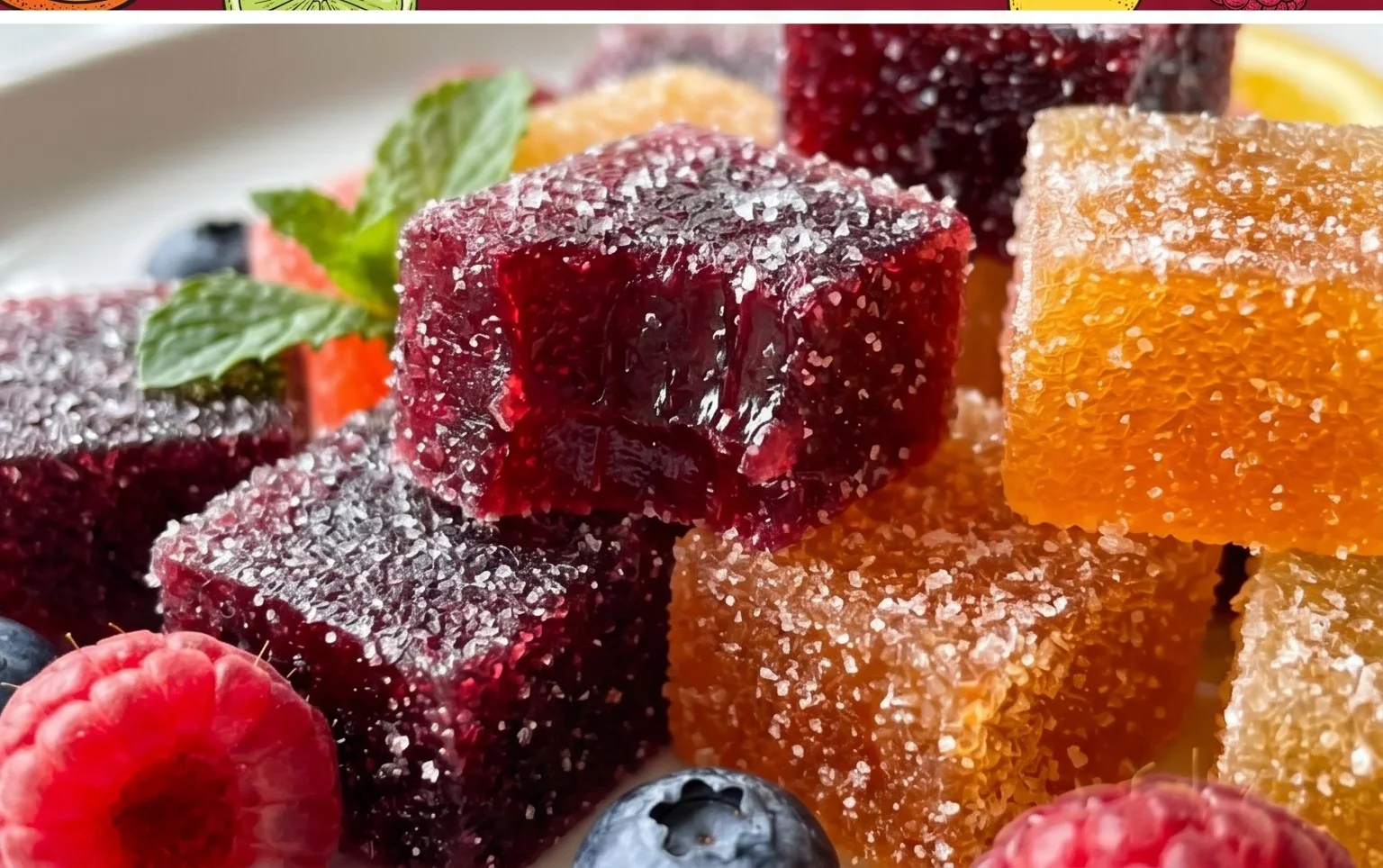
Crafting your own homemade pâtes de fruits without corn syrup is a truly rewarding experience, resulting in vibrant, intensely fruity, and delightfully chewy confections. This recipe offers a healthier alternative to store-bought treats, allowing you to control the quality of ingredients and avoid artificial additives. The satisfaction of biting into a perfectly set, naturally flavored pâte de fruit, bursting with the essence of your chosen fruit, is unparalleled. They’re not just candy; they’re little gems of pure, unadulterated fruit flavor.
These delightful morsels are incredibly versatile. Enjoy them as a sophisticated after-dinner treat, a colorful addition to a cheese board, or as a charming homemade gift. They also pair wonderfully with coffee or tea. Feel free to experiment with different fruit purees – consider tangy raspberries, sweet mango, or exotic passionfruit for unique flavor profiles. Don’t be afraid to add a touch of complementary spice, like gin extractger or a hint of chili, for an exciting twist.
I truly encourage you to give this homemade pâtes de fruits recipe a try. It’s more approachable than you might think, and the results are absolutely worth the effort. Embrace the process, savor the vibrant flavors, and enjoy sharing these homemade treasures!
Frequently Asked Questions:
Why is it important to avoid corn syrup?
Corn syrup is a highly processed sweetener. By omitting it, we ensure our pâtes de fruits are made with more natural ingredients, offering a cleaner flavor profile and appealing to those seeking less refined sugar options in their homemade confections.
How long do homemade pâtes de fruits last?
Properly made and stored in an airtight container in a cool, dry place, these homemade pâtes de fruits can last for up to 2-3 weeks. Keeping them senon-alcoholic aled prevents them from drying out or becoming sticky.
Can I use frozen fruit for the puree?
Absolutely! Frozen fruit is an excellent choice for making fruit purees for your pâtes de fruits. Thaw the fruit completely, drain any excess liquid, and then proceed with pureeing as usual. This is a fantastic way to enjoy seasonal fruits year-round.
Homemade Pâtes de Fruits (No Corn Syrup)
Delightful fruit jellies made without corn syrup, offering a pure fruit flavor. This recipe uses a simple pectin base for a perfect texture.
Ingredients
-
2 cups fruit juice (e.g., orange and pomegranate)
-
1 cup granulated sugar, plus more for coating
-
3 tablespoons classic pectin
-
1 tablespoon freshly squeezed lemon juice
Instructions
-
Step 1
In a medium saucepan, whisk together the fruit juice and granulated sugar until the sugar is mostly dissolved. -
Step 2
In a small bowl, combine the pectin with a tablespoon of the sugar mixture and whisk to create a slurry. This prevents clumping. -
Step 3
Gradually add the pectin slurry to the saucepan while whisking constantly. Add the lemon juice. -
Step 4
Bring the mixture to a boil over medium-high heat, stirring constantly. Boil for 1 minute. -
Step 5
Pour the hot mixture into a shallow, parchment-lined baking dish or a silicone mold. Let it set at room temperature for at least 4-6 hours, or until firm. -
Step 6
Once set, cut the pâtes de fruits into desired shapes (squares, rectangles, or use cookie cutters). -
Step 7
Toss the cut pieces in granulated sugar to coat them evenly. Store in an airtight container at room temperature.
Important Information
Nutrition Facts (Per Serving)
It is important to consider this information as approximate and not to use it as definitive health advice.
Allergy Information
Please check ingredients for potential allergens and consult a health professional if in doubt.