Spicy Potato Noodles-Quick & Delicious Recipe
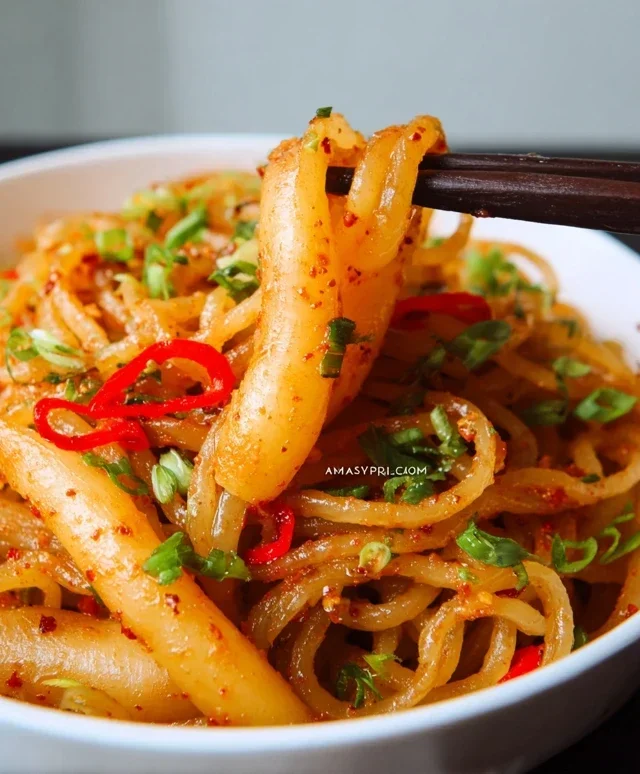
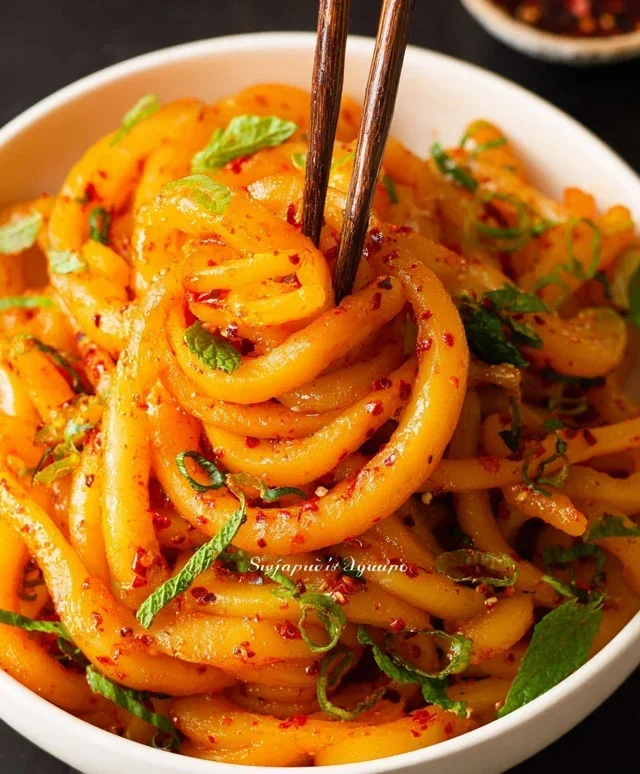
Spicy Potato Noodles are about to become your new obsession! Have you ever craved a dish that’s both comforting and exhilarating, a true explosion of flavor that dances on your tongue? That’s exactly what these incredible spicy potato noodles deliver. Forget your usual weeknight stir-fry; this recipe elevates simple ingredients into something truly extraordinary. What makes this dish so beloved? It’s the perfect harmony of tender, yielding potato noodles, bathed in a fiery, aromatic sauce that has just the right amount of kick. We’re talking about a delightful chegrape juicess from the noodles, a rich umami depth, and a lingering warmth that keeps you coming back for more. It’s the kind of meal that makes you close your eyes in pure bliss with every bite.
What Makes These Spicy Potato Noodles So Special?
Get ready for an unforgettable culinary adventure!
Spicy Potato Noodles
If you’re looking for a dish that’s both incredibly comforting and surprisingly exciting, look no further than these Spicy Potato Noodles. Forget your standard pasta; these noodles are made from scratch using humble potatoes, transforming them into chewy, satisfying strands that soak up flavor like a dream. The fiery kick from the chili and the tangy depth from the vinegar create a perfect balance, making each bite an adventure. This recipe might seem a little different, but trust me, the effort is well worth the incredible reward. Let’s get started on creating this vibrant and delicious meal!
Ingredients:
Making the Potato Noodles
The foundation of this dish is, of course, the noodles themselves. Making them from scratch might sound daunting, but it’s a surprisingly straightforward process that yields an unparalleled texture.
1. Begin extract by preparing your potatoes. Place the peeled and cut potato pieces into a medium saucepan. Cover them with water and add the ½ teaspoon of salt. Bring the water to a boil over medium-high heat and cook the potatoes until they are very tender and easily pierced with a fork. This usually takes about 15-20 minutes, depending on the size of your pieces. You want them to be almost falling apart, as this will make them easier to mash and incorporate into the dough. Once cooked, drain the potatoes thoroughly. It’s crucial to get rid of as much excess water as possible to prevent a gummy noodle dough.
2. Transfer the hot, drained potatoes to a large bowl. Using a potato masher or a sturdy fork, mash the potatoes until they are as smooth as possible. There shouldn’t be any large lumps remaining. Let the mashed potatoes cool slightly for about 5-10 minutes. While they are still warm, add the 1½ cups of potato starch to the bowl. Gradually mix the starch into the mashed potatoes. It will start to come together as a shaggy dough. At this stage, it will feel quite sticky and wet.
3. Now it’s time to knead the dough. Turn the dough out onto a lightly floured surface (you can use a little extra potato starch for this). Knead the dough for about 5-7 minutes. The dough should transform from sticky and wet to smooth, elastic, and pliable. If the dough is still too sticky to handle, you can add a tiny bit more potato starch, a tablespoon at a time, until it’s manageable. However, be careful not to add too much starch, as this can make the noodles tough. The goal is a dough that’s soft and springy to the touch. Once you’ve achieved a smooth texture, cover the dough with a damp cloth and let it rest for about 15 minutes. This resting period allows the gluten to relax, making the dough easier to work with.
4. While the dough rests, prepare to shape the noodles. Divide the rested dough into two or three equal portions. Take one portion and, on a lightly floured surface, roll it out into a log about ½ inch in diameter. You can also gently flatten the dough into a rectangular shape before rolling it into a log. Once you have your log, you can either use a knife to cut it into small pieces (about ¾ inch long) and then gently flatten each piece with your palm or the side of the knife, or you can thinly slice the log into noodle shapes directly. Some people prefer to roll out the dough very thinly and then cut it into strands like traditional noodles. For this recipe, I find that flattening the small pieces creates a delightful chewy texture that is characteristic of potato noodles. As you form the noodles, place them on a baking sheet lined with parchment paper that has been lightly dusted with potato starch to prevent sticking. Repeat this process with the remaining dough.
5. Bring a large pot of water to a rolling boil. Carefully add the fresh potato noodles to the boiling water. Don’t overcrowd the pot; cook them in batches if necessary. The noodles will sink to the bottom at first. Stir them gently to prevent them from sticking together. Cook the noodles for about 3-5 minutes, or until they float to the surface and are cooked through. They should be tender but still have a slight chew. Once they float, give them another minute or so, then use a slotted spoon to carefully remove them from the boiling water and drain them well.
Crafting the Fiery Sauce
While the noodles are cooking, you can prepare the vibrant and punchy sauce that will elevate them to a whole new level.
1. In a small bowl, whisk together the sauce ingredients: 2 tablespoons of regular soy sauce, 2 tablespoons of Chinese black vinegar, 2 tablespoons of gochugaru (or your chosen chili powder), 1¼ teaspoons of granulated sugar, and ⅛ teaspoon of salt. Whisk until the sugar and salt are dissolved. This sauce is designed to be a beautiful balance of salty, sour, and spicy. The gochugaru provides a lovely warmth, and you can adjust the amount to suit your spice preference.
2. Heat the 3 tablespoons of neutral oil in a large skillet or wok over medium heat. Add the minced garlic and sauté for about 30 seconds until fragrant. Be careful not to burn the garlic, as it can turn bitter.
3. Pour the prepared sauce mixture into the skillet with the garlic. Stir well and let it simmer for about 1-2 minutes. This allows the flavors to meld together and the sauce to thicken slightly. The aroma that fills your kitchen at this point is absolutely incredible!
4. Add the drained, cooked potato noodles directly into the skillet with the sauce. Toss gently to coat each noodle evenly. Cook for another 1-2 minutes, stirring continuously, allowing the noodles to absorb the delicious sauce and warm through completely.
5. Finally, add the sliced green onion and roughly chopped cilantro to the skillet. Toss everything together one last time to distribute the fresh herbs. The heat from the noodles will gently wilt the green onion and release the fresh aroma of the cilantro, adding a burst of freshness and color to the dish.
Serve these Spicy Potato Noodles immediately. They are a wonderfully satisfying meal on their own, showcasing the delightful chegrape juicess of homemade potato noodles and the irresistible flavors of a bold, spicy sauce. Enjoy every flavorful bite!
Conclusion:
I hope you’ve enjoyed learning how to make these incredibly satisfying spicy potato noodles! This recipe is a true winner because it transforms humble ingredients into a dish bursting with flavor and texture. The unique chegrape juicess of the potato noodles, combined with the fiery kick of the chili oil and the savory depth of the sauce, creates an unforgettable culinary experience. They’re surprisingly easy to make and are perfect for a quick weeknight meal or a flavorful appetizer.
When it comes to serving, I love these noodles on their own as a comforting main. However, they also pair beautifully with some steamed greens like bok choy or gai lan, or a simple side of pickled vegetables to cut through the richness. For variations, don’t be afraid to experiment! You can add some pan-fried tofu or shredded chicken for extra protein, or toss in some shiitake mushrooms for an earthy boost. A sprinkle of toasted sesame seeds or chopped peanuts adds a lovely crunch.
I wholeheartedly encourage you to give these spicy potato noodles a try. They’re a testament to how simple ingredients can create something truly spectacular. Let me know how yours turn out!
Frequently Asked Questions:
Can I make the spicy potato noodles less spicy?
Absolutely! If you prefer a milder dish, reduce the amount of chili flakes or chili oil in the sauce. You can also omit the chili oil altogether and rely on other aromatics like garlic and gin extractger for flavor, adding just a pinch of chili flakes for a subtle warmth.
Where can I find potato noodles?
Potato noodles, often referred to as ‘gamja guksu’ or similar terms depending on the cuisine, are becoming more widely available. Look for them in the noodle aisle of your local Asian grocery store or international food market. Many online retailers also carry them.
Can I prepare the sauce ahead of time?
Yes, you can prepare the sauce for your spicy potato noodles a day in advance and store it in an airtight container in the refrigerator. This will save you even more time when you’re ready to cook and assemble the dish. Just give it a good stir before adding it to your cooked noodles.
Spicy Potato Noodles
A flavorful and satisfying dish of chewy potato noodles tossed in a spicy, savory sauce with fresh herbs.
Ingredients
-
{‘@type’: ‘Ingredient’, ‘name’: ‘russet potato’, ‘description’: ‘peeled and cut into 1 inch pieces (gold potato is fine too)’, ‘amount’: ‘1.1 pounds’}
-
{‘@type’: ‘Ingredient’, ‘name’: ‘salt’, ‘amount’: ‘½ teaspoon’}
-
{‘@type’: ‘Ingredient’, ‘name’: ‘potato starch’, ‘amount’: ‘1½ cup’}
-
{‘@type’: ‘Ingredient’, ‘name’: ‘water’, ‘description’: ‘warm’, ‘amount’: ‘½ cup’}
-
{‘@type’: ‘Ingredient’, ‘name’: ‘regular soy sauce’, ‘amount’: ‘2 tablespoons’}
-
{‘@type’: ‘Ingredient’, ‘name’: ‘Chinese black vinegar’, ‘amount’: ‘2 tablespoons’}
-
{‘@type’: ‘Ingredient’, ‘name’: ‘gochugaru’, ‘description’: ‘coarse (or fine ground (or Chinese chili powder))’, ‘amount’: ‘2 tablespoons’}
-
{‘@type’: ‘Ingredient’, ‘name’: ‘granulated sugar’, ‘amount’: ‘1¼ teaspoons’}
-
{‘@type’: ‘Ingredient’, ‘name’: ‘salt’, ‘amount’: ‘⅛ teaspoon’}
-
{‘@type’: ‘Ingredient’, ‘name’: ‘garlic’, ‘description’: ‘minced’, ‘amount’: ‘2 tablespoons’}
-
{‘@type’: ‘Ingredient’, ‘name’: ‘green onion’, ‘description’: ‘sliced’, ‘amount’: ‘1 stalk’}
-
{‘@type’: ‘Ingredient’, ‘name’: ‘oil’, ‘description’: ‘any neutral oil such as avocado, sunflower, grapeseed, etc’, ‘amount’: ‘3 tablespoons’}
-
{‘@type’: ‘Ingredient’, ‘name’: ‘cilantro’, ‘description’: ‘roughly chopped’, ‘amount’: ‘⅓ cup’}
Instructions
-
Step 1
Boil the peeled and cut russet potatoes until fork-tender, about 15-20 minutes. Drain well and mash them thoroughly to create a smooth potato mash. -
Step 2
Add the ½ teaspoon of salt and 1½ cups of potato starch to the mashed potatoes. Mix until a cohesive dough forms. If too dry, add a tiny bit more potato starch; if too wet, a tiny bit more potato mash. -
Step 3
Knead the dough on a lightly floured surface for a few minutes until smooth. Roll the dough into long ropes about ½ inch in diameter and cut into 4-5 inch noodles. -
Step 4
Bring a large pot of water to a boil. Gently add the potato noodles and cook for 3-5 minutes, or until they float to the surface and are slightly chewy. Drain and set aside. -
Step 5
In a small bowl, whisk together the warm ½ cup water, 2 tablespoons soy sauce, 2 tablespoons Chinese black vinegar, 2 tablespoons gochugaru, 1¼ teaspoons sugar, and ⅛ teaspoon salt to make the sauce. -
Step 6
Heat 3 tablespoons of oil in a large skillet or wok over medium-high heat. Add the minced garlic and cook until fragrant, about 30 seconds. Be careful not to burn the garlic. -
Step 7
Add the cooked potato noodles to the skillet with the garlic. Pour the prepared sauce over the noodles and toss well to coat. Cook for another 2-3 minutes until the noodles are heated through and coated in the sauce. -
Step 8
Stir in the sliced green onions and roughly chopped cilantro. Toss to combine and serve immediately.
Important Information
Nutrition Facts (Per Serving)
It is important to consider this information as approximate and not to use it as definitive health advice.
Allergy Information
Please check ingredients for potential allergens and consult a health professional if in doubt.